
Vaccinations
What this lesson will cover
- Why travel vaccines are required?
- Which vaccines are most important and available on the NHS?
- Insect bourne diseases.
- Common issues that need vaccinating against and the type of information required on them.
- Useful recourses on how to decide which vaccines to advise.
Why Travel vaccinations are required?
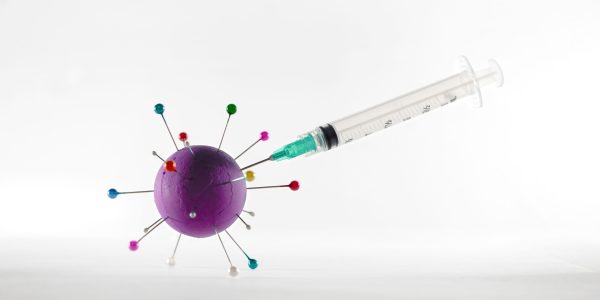
- Different countries present wildly different medical challenges. Travel vaccinations are therefore required to protect travellers from illnesses not common in their host country but prevalent in their travel destination.
How vaccinations work?
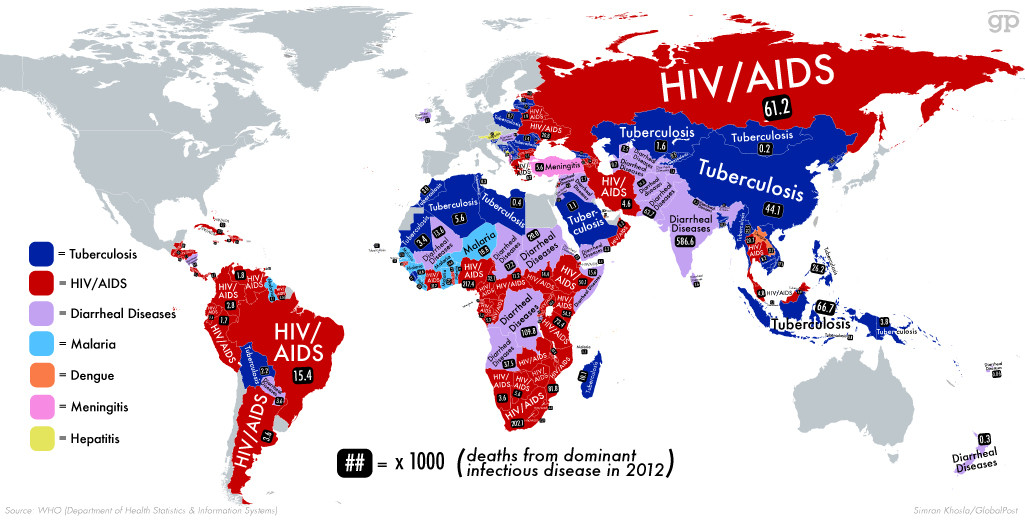
- Vaccinations work by presenting your body with a weakened form of infection. This allows your immune system to recognise the shape the infection takes within your body and build up defences to prepare from when the dangerous version emerges. A little like taking a mock examination!
- A range of vaccinations are therefore required for each potential infection that could occur whilst travelling.
- Some vaccinations come in ‘packages’ where multiple weakened infections are presented to your body at once to both speed up your immune system’s protection rate and make the vaccination process cheaper.
Vaccines available on the NHS:
- Tetanus/Polio/Diphtheria (Td/IPV) – required every 10 years for travel.
- Hepatitis A – 1st dose likely protects 5 years – 2nd protects for 25 years.
- Typhoid – protection lasts 3 years
- Cholera
*It may seem complicated to keep track of all the vaccinations and timing efficacy, but the NHS has provided a summarising poster for the most commonly required vaccines.*
Insect Bourne Diseases
Insect borne diseases are some of the most common form infection. Watching out for these, whether you have been vaccinated or not can play a huge part in travel safety. Some of the most common insect borne diseases include:
- Dengue
- Chikungunya
- Malaria
- Zika
- Leishmaniasis
- Japanese Encephalitis
Simple safety measures can reduce the risk of insect-related infections.
These include:
- Using frequent and high quality insect repellents
- Wearing protective clothing against insect bites
- Insect preventative nets
- Receive all relevant vaccinations before travelling
Commonly required vaccinations
Vaccines must be specialised for the country of travel. However, some vaccinations are so common that they are supplied ubiquitously, these include:
- Tetanus (TDP), Hepatitis A, Typhoid
- MMR (Measles, mumps and rubella)
- Vaccines highly advised: Yellow Fever, Hepatitis B, Rabies, Meningitis
ACWY, Japanese Encephalitis and Cholera.
The type of portfolio required for common diseases requiring vaccination
An example: Typhoid
What is it?
- Typhoid fever is a particularly common disease and is prevalent worldwide, with frequent incidences in: Asia, the Middle East, the Caribbean, Africa and Central and South America.
- Typhoid is a life-threatening infection caused by the bacterium Salmonella Typhi.
How is it presented?
- It is spread through contaminated food and water.
- Once Salmonella Typhi bacteria are ingested, they multiply and spread into the bloodstream.
- Common symptoms include: fever, stomach pain, headache, excretion abnormalities, cough, and loss of appetite
How can we protect/treat against it?
- There is no cure post-infection, but can be treated with antibiotics including: Fluoroquinolones, cephalosporins, macrolides, Carbapenems.
- It can be vaccinated against with the most common vaccine being Oral Typhoid (Vivotif)
Useful recourses

- A-Z Topics including all vaccination types and Travel Health in general
- UK infection guidelines
- Migrant Health guide
- Scientific publications on the latest infection/vaccination information
- Health topics
- Vaccination fact sheets
- World Health Statistics
- Up-to-date Disease Outbreak News
- Scientific Publications on International Travel